

waste water sludge




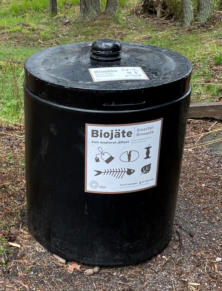
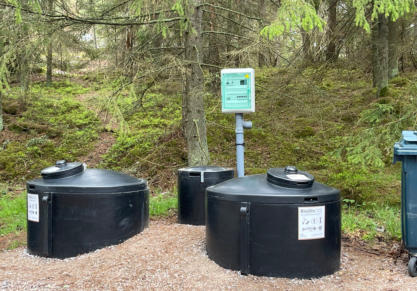
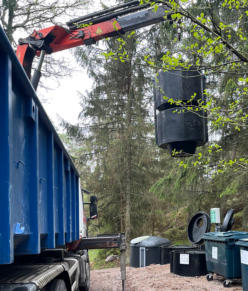




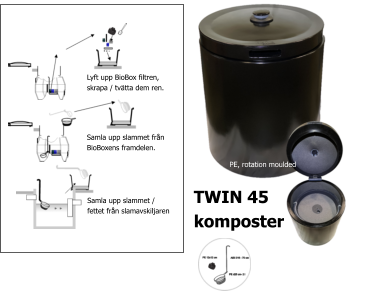


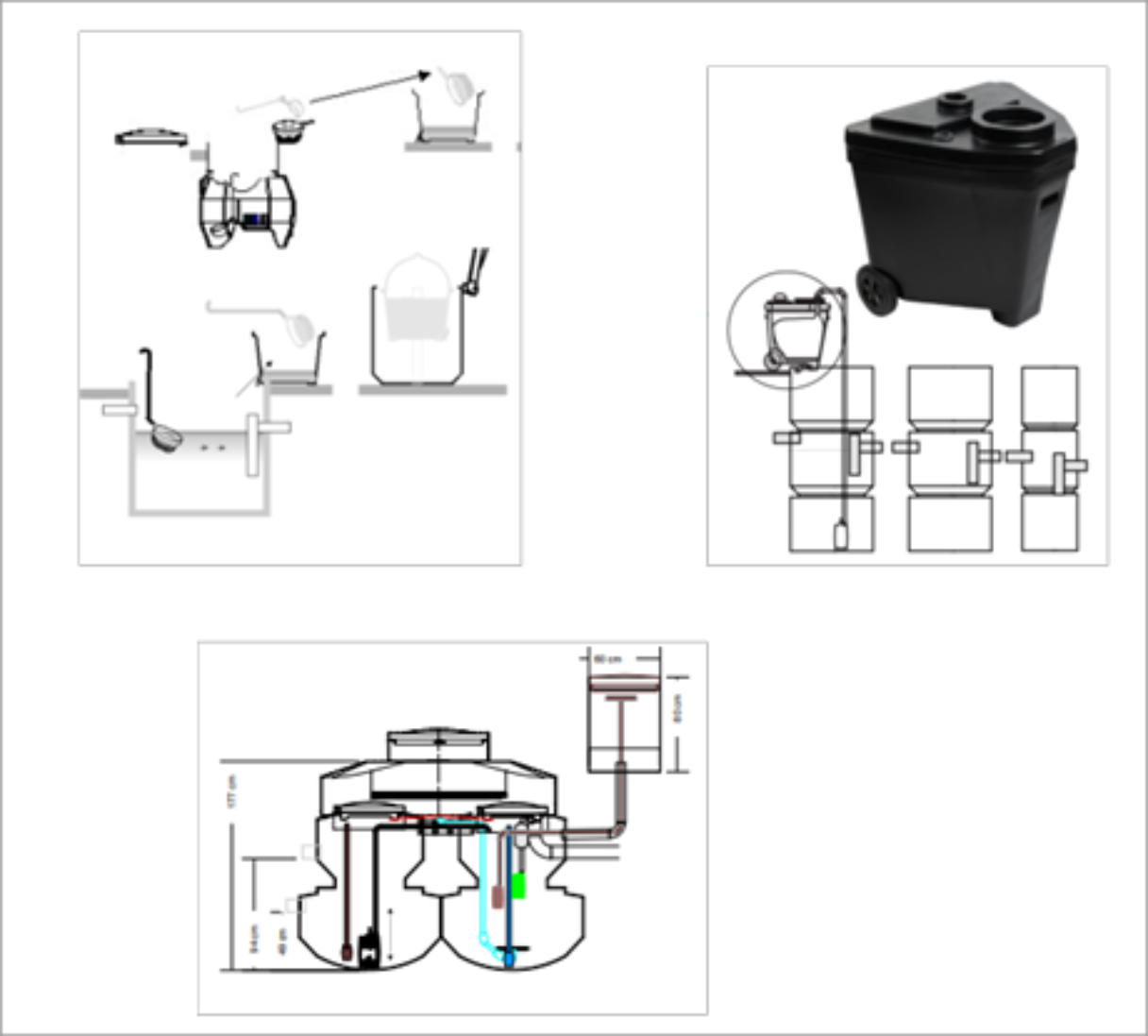
Composting waste at source. Composting is a natural and efficient way to use
biodegradable, organic waste.
According to the European Waste Strategy, the aim is to reduce waste incineration
and move towards a "circular economy".
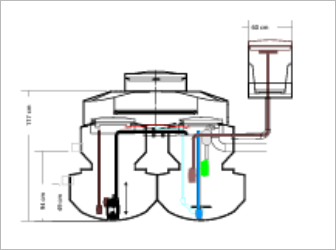
Wastewater systems (BioBox - HSBio - Biokem - BioKem XL) can be equipped with
sludge treatment, which dries and composts the process sludge. Sludge treatment
can be a separate system that is used when needed or it can be integrated into the
treatment system Info


The most economical and environmentally friendly
- compost sewage sludge on-site.
The shortest and most efficient way to utilize nutrients and resources is at the
source of the waste. Transport and waste management fees at centralized
sorting facilities are expensive, and sorting and composting biowaste on site
reduces costs significantly and is at the same time environmentally friendly. It
significantly reduces the property's carbon footprint.
These effects – cost savings and a smaller carbon footprint –
accumulate over the long life of our equipment (at least 50 years).
Composting involves the breakdown of biowaste into nutrients. Composting usually
takes place in nature, all organic waste is composted and the nutrients return to
nature's cycle – ("from the soil – back to the soil").
The smartest waste solution.
Composting waste at source.
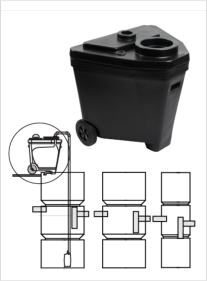
In the composter, the decomposition of biowaste is efficient, the compost
temperature remains high and harmful bacteria and weed seeds are destroyed.
The composter ensures the necessary conditions for composting, i.e. that
nutrients, air, moisture and heat are present in the right amount.
Composting does not cause odors or environmental damage.
Reliable composting process
in our composters.
Guidelines for selection, equipment capacity
and suitability
For more information on sizing for your project, visit our online store:
https://domestic-shop.com/lang-EN/composters/rt-composters
You can contact our free advisory service at +358 400912111 or send
your questions by email to helpdesk@raita.com
We also offer design assistance for larger projects.